Skip to content

BMW 1 Series 2013 Key Fob & Car Keys

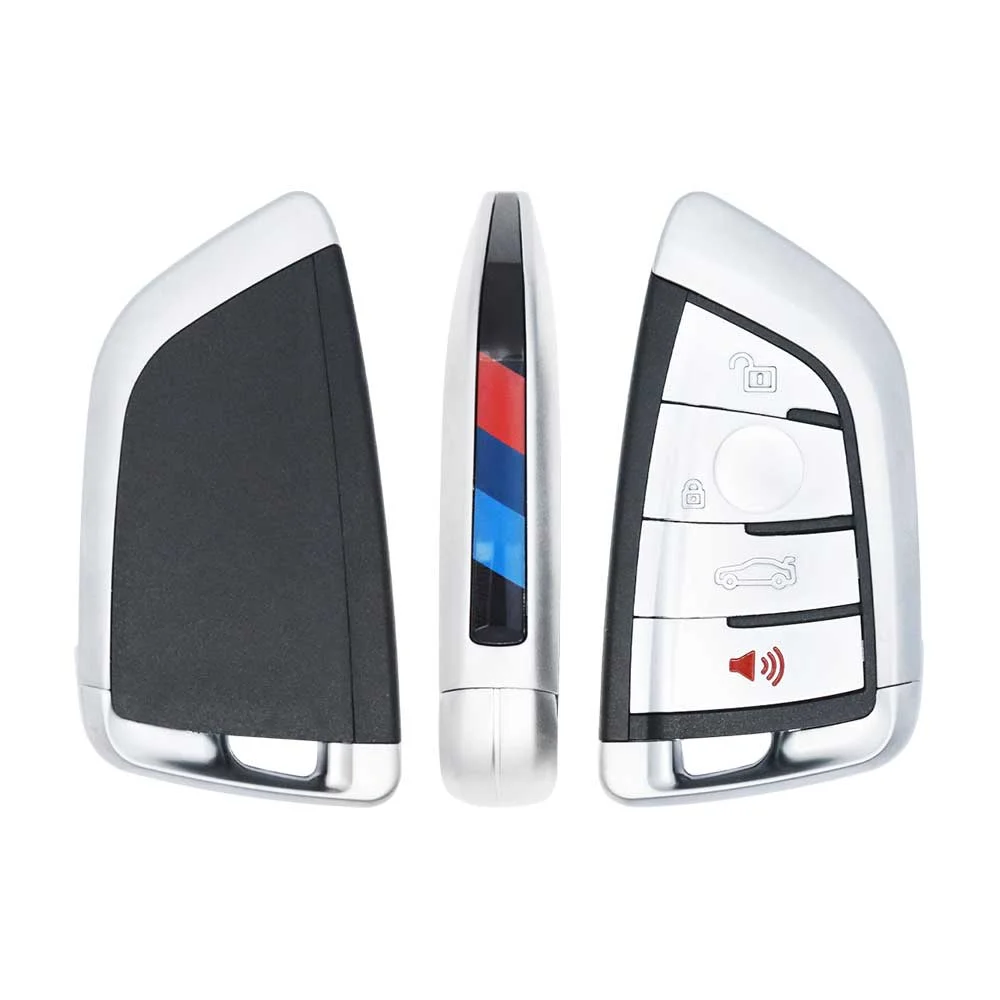
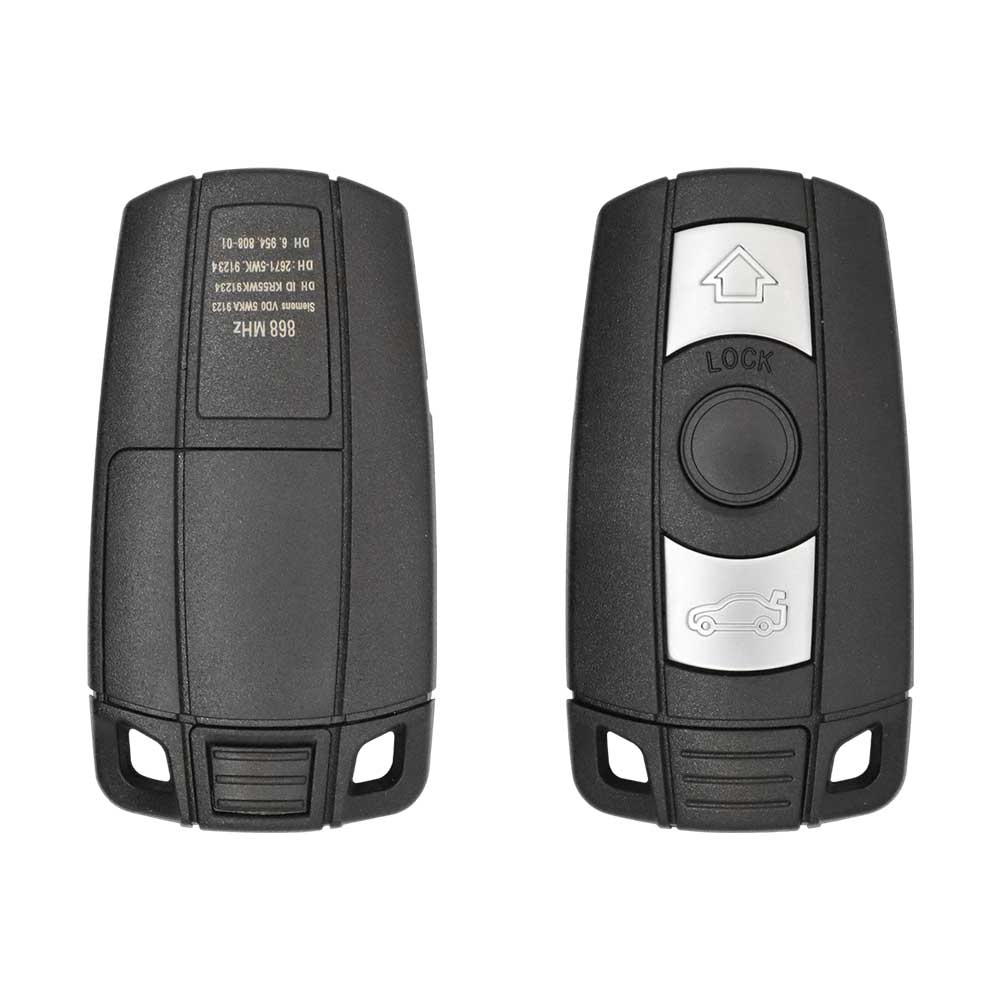
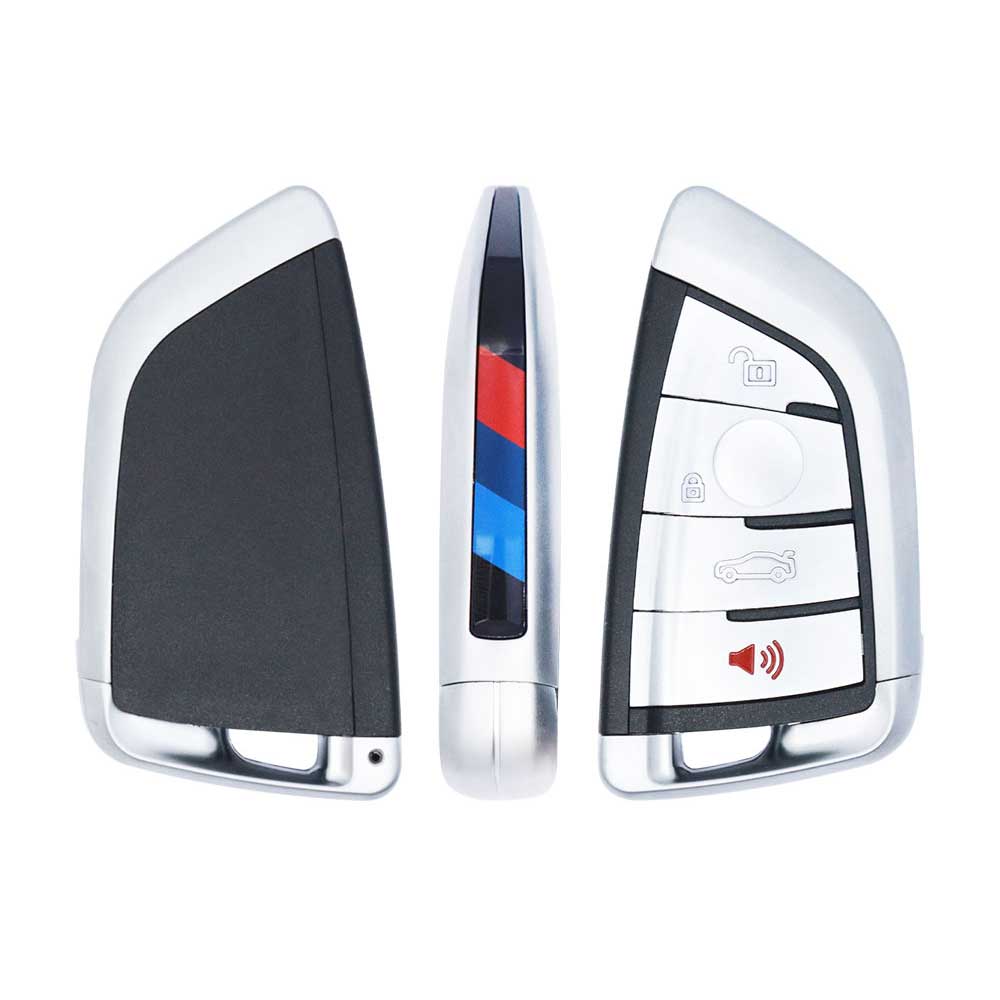
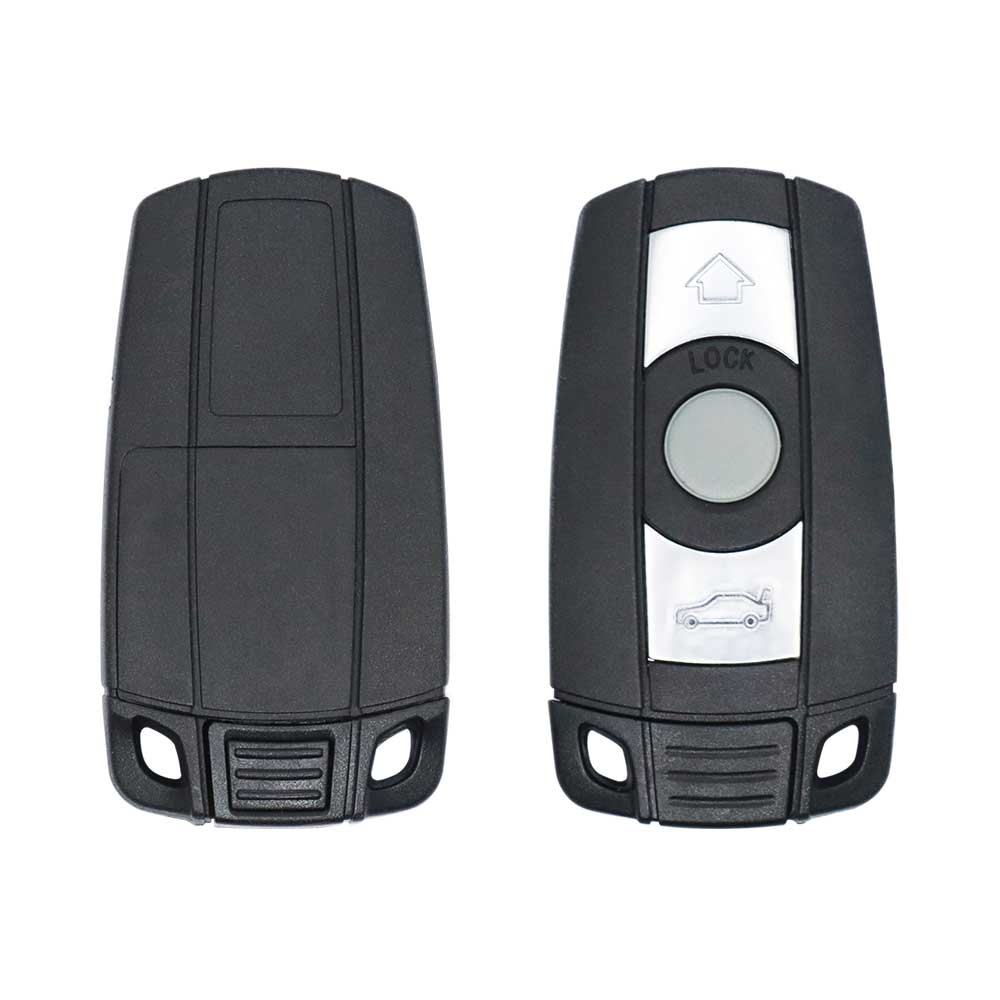
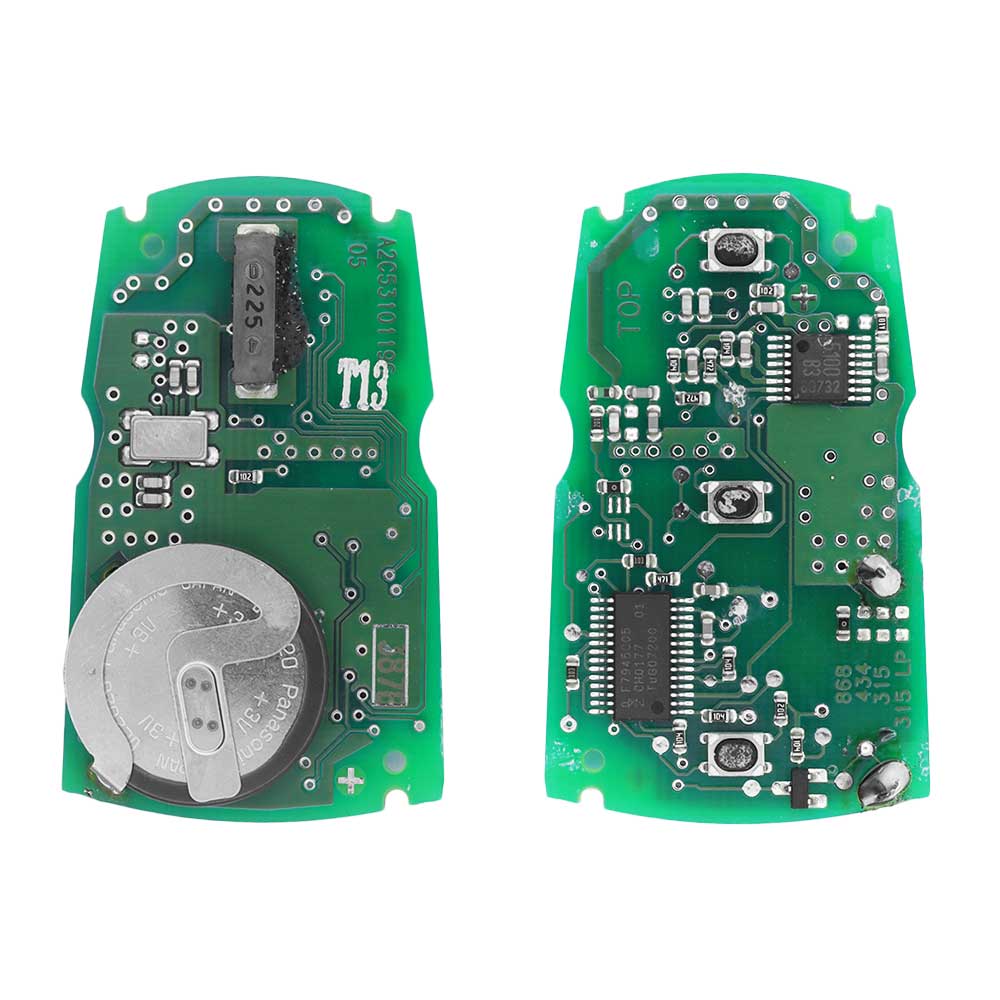
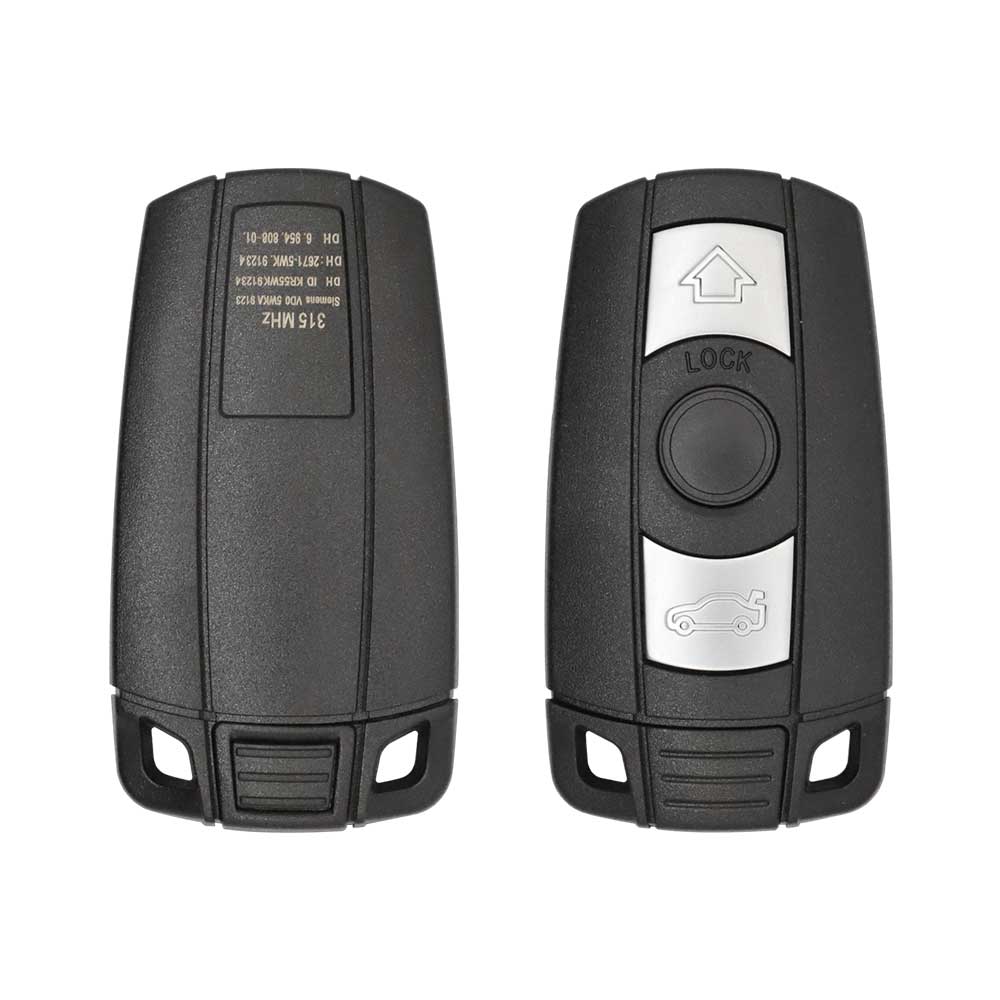
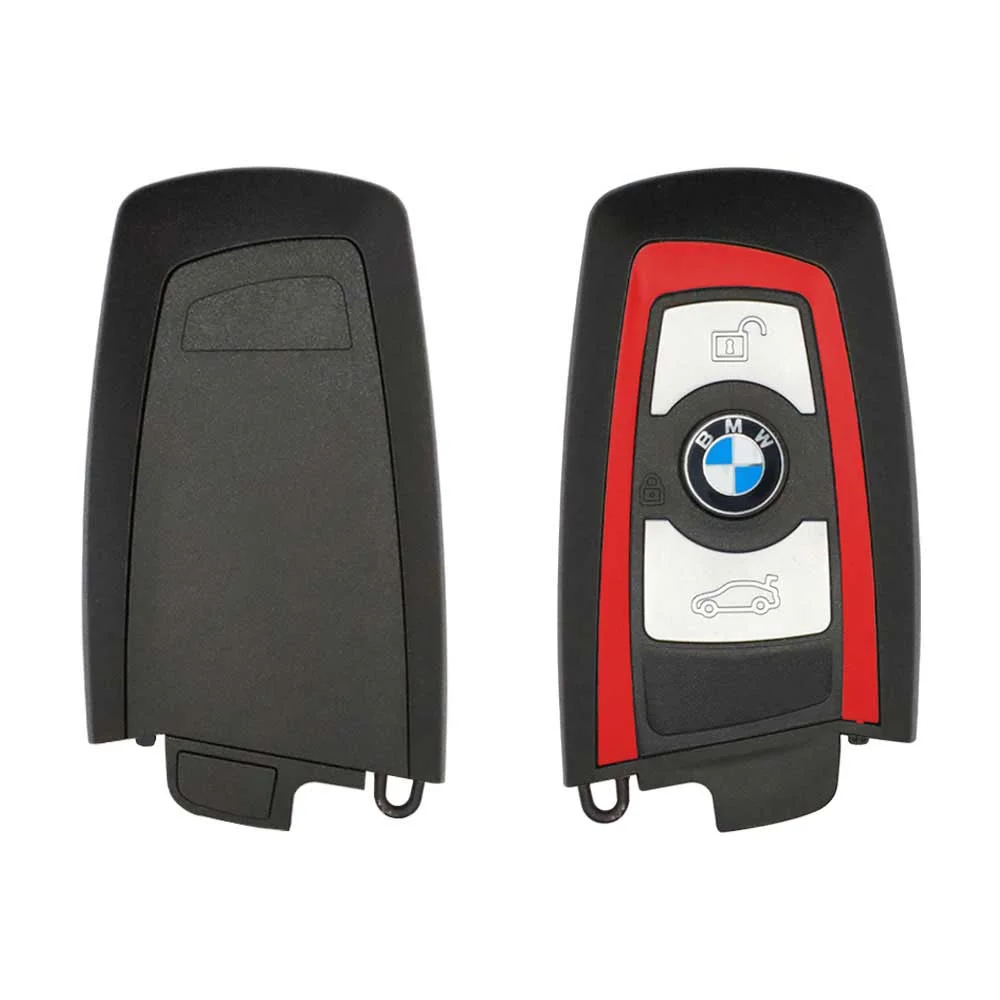
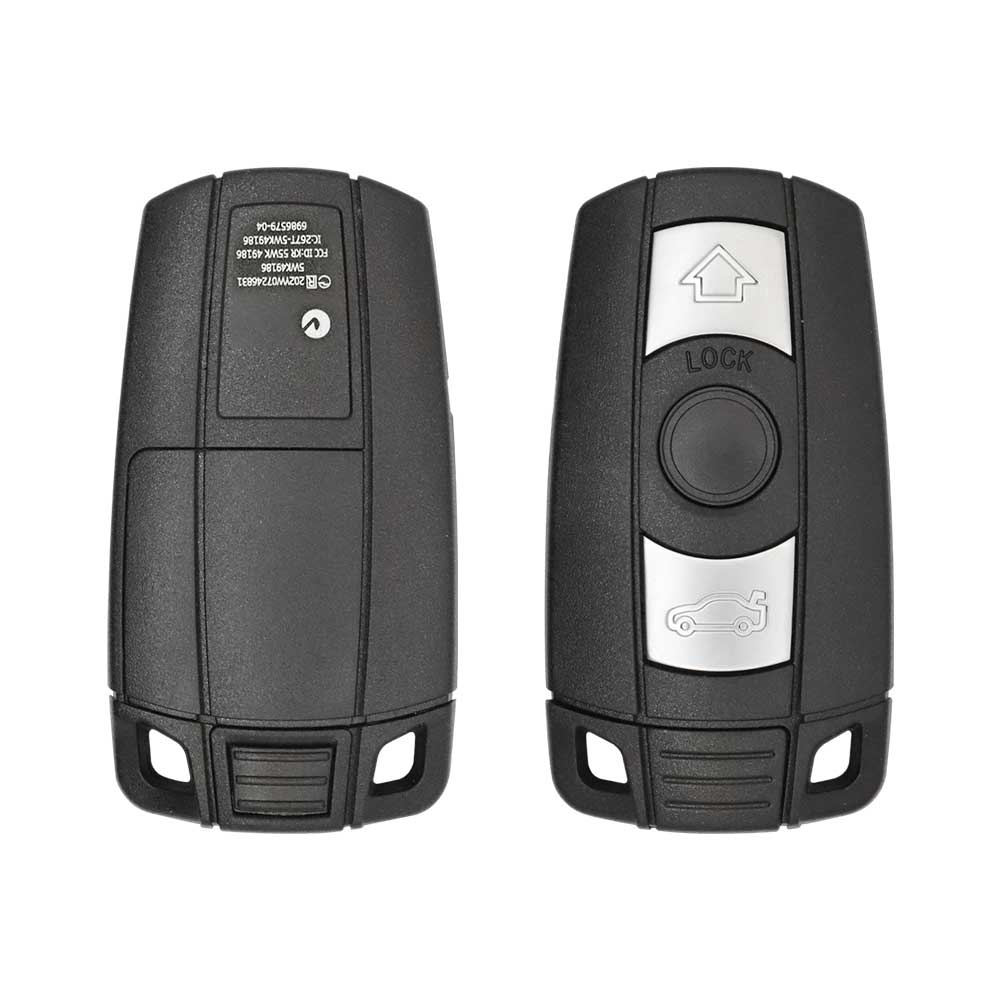
Keys that fit the 2013 BMW 1 Series: smart keys and remote keys, 3 or 4 buttons, FCC ID KR55WK49127, KR55WK49147 or N5FID2A, PCF7953P or ID49 (HITAG Pro) chip, 315 MHz, 433 MHz or 434 MHz. 11 compatible keys, remotes & shells (genuine and aftermarket) available for the 2013 BMW 1 Series.

Last updated: 15 November 2026

Key specifications for the BMW 1 Series 2013

Key types
smart keys, remote keys, key shells and emergency blades
Frequency
315 MHz, 433 MHz, 434 MHz and 868 MHz
Buttons
3- and 4-button
Transponder chip
PCF7953P · ID49 (HITAG Pro) · ID46 (HITAG 2)
Blade profile
HU100R · HU92
Part numbers
8723602-02
Battery
CR2032 · VL2020 · CR2450

To pick the right part, match the part number or FCC ID printed on your original remote, or listed in the BMW parts catalogue, with the specifications on each listing. The frequency depends on the market the car was sold in, so check 315 MHz, 433 MHz, 434 MHz and 868 MHz against your original before ordering.

A new smart key or remote has to be programmed to the car with a key programmer, and when every key is lost the programming is still done through the diagnostic port. We ship the key worldwide from the UAE by DHL and FedEx; any automotive locksmith or the dealer can cut and program it.

Programming the BMW 1 Series 2013 key

Smart key (push to start)

6 tools list this key. 5 of them list all keys lost.

Programming steps

Add key - Xhorse VVDI Key Tool Plus (BMW FEM/BDC)

Needs: working key, blank BMW key, FEM / BDC bench platform if done on the bench, stable 12 V supply

  1. Connect by OBD (or put the FEM on a bench platform) and open IMMO programming, BMW, FEM/BDC immo system, Key function.
  2. Back up the coding and the EEPROM data first.
  3. If the module has not been prepared before, run the FEM / BDC programming step the tool asks for so it can read key info by OBD.
  4. Read the key info with the working key at the coil.
  5. Choose an unused position and generate the dealer key from the working key.
  6. Learn the new key, then test start and remote.
Watch out: The first FEM / BDC preparation needs the module EEPROM read; do it with verified reads only. Keep a stable supply on the car throughout.
Add key - Xhorse VVDI Key Tool Plus / VVDI2 (BMW)

Needs: working key, blank BMW key (dealer key is written by the tool)

  1. Switch on the hazard lights and press the brake a few times to wake the CAS, then connect by OBD and let the tool detect the CAS type; note the CAS ID.
  2. Open Key Learn and run Get Key Info: it reads the key table, cutting code and remote frequency. Save the key info file.
  3. Pick an unused key position.
  4. Put the blank key in the programmer and choose Prepare dealer key with programmer. On an encrypted CAS3+ / ISTAP the tool asks whether you have a working key: answer yes.
  5. Try the new key in the car; if a position was already used, run Add key so the CAS accepts it.
  6. Clear the fault codes and the shadow memory, then test start and remote.
Watch out: If a dealer key fails to write, unlock the key with the saved key info before trying again. ISTAP CAS3+ updates by OBD can corrupt the CAS; work on stable power or do it on the bench.
All keys lost - Autel MaxiIM IM608 / IM508S + XP400 Pro + G-BOX3

Needs: engine ISN (read from the DME with G-BOX3), EEPROM clip (APA103) or soldered leads, FEM / BDC bench platform, blank BMW key, stable 12 V supply

  1. Read the ISN from the DME with the G-BOX3 (bench or the wiring the tool shows) and keep a photo of it.
  2. Remove the FEM, put it on the bench platform, check the key frequency and back up the coding (FA).
  3. Open the module, clean the coating off the EEPROM legs (95128 / 95256) and read the EEPROM with the XP400 Pro; read it twice and compare, then save the original.
  4. Let the tool make the modified file, write it to the EEPROM, power the module and run the pre-processing by OBD.
  5. Write the original EEPROM back, refit and restore the coding.
  6. Open Key learning, Pre-processing learning, enter the ISN, then learn the new key at the coil.
  7. In the car, hold the key at the steering-column coil and press start to synchronise; test start and remote.
Watch out: Do not use Smart mode on a FEM / BDC: it does not back up the full EEPROM and a failed read can brick the module (reported on a 2016 X6). Use Expert / manual mode. Never write an EEPROM file you have not verified twice.
All keys lost - Xhorse VVDI Key Tool Plus (BMW, OBD)

Needs: blank BMW key, engine ISN (encrypted CAS3+), battery support unit

  1. Switch on the hazard lights and press the brake a few times to start OBD communication; connect and detect the CAS type.
  2. Choose Generate keys via OBD, Read key information; answer No to the working-key question and put the blank key in the ignition slot.
  3. Save the key information file.
  4. Choose Prepare dealer key with programmer and an unused position. On an encrypted CAS3+ the tool asks for the engine ISN: enter it if you have it, or let the tool read the CAS EEPROM and continue with File Make Key.
  5. Answer the key-type question (smart or not) and let the tool write the dealer key and a new EEPROM file.
  6. Try to start with the new key. Write the new EEPROM back only if the tool asks for it; never write it back on an ISTAP CAS, or if the ignition already switches on.
Watch out: Xhorse recommends doing CAS3+ ISTAP all keys lost on the bench, which is safer than OBD. Some US-market X5 CAS3+ cars support add key only, not all keys lost (Xhorse manual).
All keys lost - Xhorse VVDI2 (BMW) + VVDI Prog

Needs: engine ISN, VVDI Prog to read 95128 / 95256, blank BMW key, stable 12 V supply

  1. Back up the FEM coding by OBD.
  2. Remove the module, clean the EEPROM and read it with VVDI Prog several times until the reads match; save the original.
  3. In VVDI2 load the original EEPROM, save the service-mode file it generates and write that file to the chip.
  4. Refit the module, power it, connect OBD and run Program FEM.
  5. Write the original EEPROM back, refit the module and restore the coding.
  6. Read the engine data and work out the ISN, then prepare the dealer key with the ISN and learn it; test start and remote.
Watch out: Read the EEPROM until two reads are identical before writing anything. Keep a stable supply on the module during Program FEM.

Key type not stated by the list

2 tools list this key. None of the lists names all keys lost for this year.

When the key changed

Smart key (push to start)

  • 2004 - 2013This yearChip: ID46E8x slot key, CAS2 / CAS3 / CAS3+; read the CAS
  • 2012 - 2019This yearChip: ID49FCC: YGOHUF5767F20 / F21, FEM

Check coverage first: support depends on the tool's software version and the exact model. A tool that is not shown here may still cover this car.

Frequently asked questions

Which keys fit the BMW 1 Series 2013?

11 listings fit the BMW 1 Series 2013: smart keys, remote keys, key shells and emergency blades, in 3- and 4-button versions. Match the part number or FCC ID printed on your original key with the specifications on each listing.

What frequency does the BMW 1 Series 2013 remote use?

Listings for the BMW 1 Series 2013 come in 315 MHz, 433 MHz, 434 MHz and 868 MHz: the frequency depends on the market the car was sold in, so check it against your original remote before ordering.

Which transponder chip does the BMW 1 Series 2013 key use?

The listings for this car carry: PCF7953P · ID49 (HITAG Pro) · ID46 (HITAG 2). Check the chip in each listing's specifications.

Which FCC IDs do BMW 1 Series 2013 remotes carry?

The remotes listed for this car carry FCC ID KR55WK49127, KR55WK49147, N5FID2A, N5FID2B, N5FID2C and YG0HUF5767. Match it with the FCC ID printed on your original remote.

Which blade profile does the BMW 1 Series 2013 key use?

The blades listed for this car: HU100R · HU92.

Which tools program a BMW 1 Series 2013 key?

The tool makers' coverage lists name OBDSTAR Key Master G3, Xhorse VVDI Key Tool Plus, Xhorse VVDI2, Autel IM508S, Autel IM608 II / IM608 Pro II and Autel KM100 (IKEY universal smart key) for this car; 5 of them list all keys lost. Check your tool's latest coverage list before the job.